
Eco-Friendly Remodeling Guide for Commercial Spaces
As environmental awareness continues to grow, the demand for eco-friendly remodeling in commercial real estate is rising rapidly. In this article, we explore the advantages of embracing sustainable remodeling for commercial properties. By making environmentally conscious choices, property owners not only contribute to a greener future but also enjoy benefits that go beyond environmental responsibility. From cost savings to increased property value, eco-friendly remodeling offers a wide range of advantages worth considering.
Benefits of Eco-Friendly Remodeling for Commercial Real Estate
One of the biggest benefits of eco-friendly remodeling for commercial real estate is the potential for long-term cost savings. By adopting energy-efficient technologies like LED lighting and advanced environmental controls, property owners can significantly lower utility bills. These savings accumulate over time, leading to substantial financial benefits.
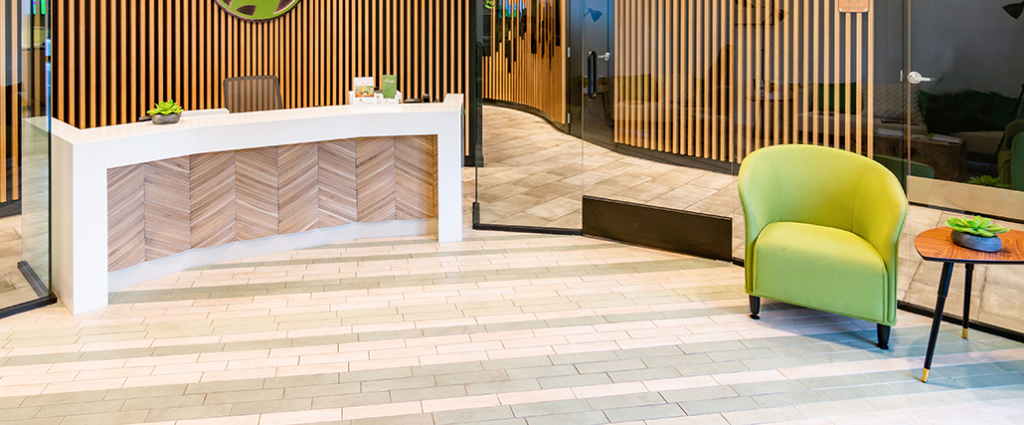
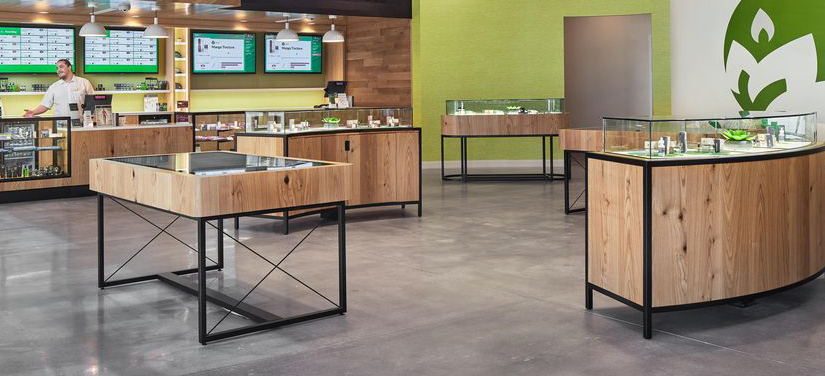
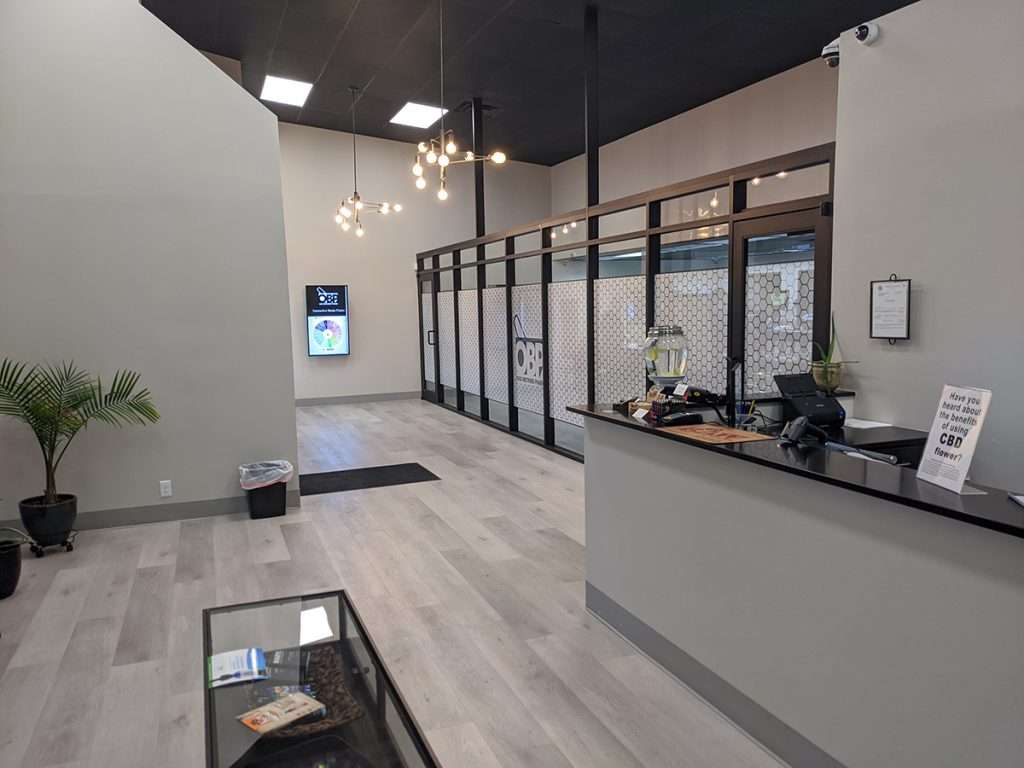
Eco-friendly remodeling can also increase the value of commercial properties. In today’s market, tenants and buyers are increasingly prioritizing sustainability when selecting properties. By incorporating green building materials and sustainable construction practices, property owners can attract environmentally conscious tenants, potentially commanding higher rental rates or sale prices.
Moreover, eco-friendly remodeling can improve the overall indoor environmental quality of commercial properties. Using low-VOC (volatile organic compound) paints and other sustainable materials helps create healthier and more comfortable spaces. This can lead to higher employee productivity, reduced absenteeism, and improved tenant satisfaction.
Disadvantages of Eco-Friendly Remodeling and How to Overcome Them
While there are numerous benefits to eco-friendly remodeling, it’s important to acknowledge the potential downsides and how to address them. One common concern is the higher initial cost of implementing sustainable practices and materials. Eco-friendly products often have a higher upfront cost compared to traditional materials. However, it’s essential to factor in the long-term financial benefits, such as reduced operating expenses and increased property value, which can outweigh the initial investment.
Another challenge is the availability and sourcing of sustainable materials. Fortunately, with the growing demand for eco-friendly products, suppliers are expanding their offerings. Property owners should research and connect with suppliers specializing in green construction materials to ensure a steady and reliable supply.
There may also be a learning curve when adopting advanced environmental controls and technologies. Property owners and facility managers might need to invest time in training to understand and operate these systems effectively. However, many manufacturers offer comprehensive training, and professional services are available to assist with implementation and management.
Trends in Eco-Friendly Construction in 2023
Several key trends in eco-friendly construction are expected to shape the industry in 2023. One prominent trend is the increased use of renewable energy, particularly solar power. Advancements in solar technology and decreasing costs have made solar panels more accessible and viable for commercial properties. Solar energy can significantly reduce reliance on traditional power sources, lowering energy costs and reducing carbon emissions.
Water conservation is also becoming a priority. Water scarcity is a growing issue in many areas, making water-efficient fixtures crucial in eco-friendly remodeling. Low-flow faucets, dual-flush toilets, and rainwater harvesting systems can help commercial properties conserve water and contribute to sustainability.
Sustainable building materials are another growing trend. Recycled steel, bamboo, reclaimed wood, and low-impact concrete are gaining popularity due to their durability, aesthetic appeal, and lower environmental impact. Property owners are also exploring recycling and repurposing materials during demolition and renovation projects to minimize waste.
Exploring Green Building Materials for Commercial Real Estate
In addition to the sustainable materials already mentioned, several other options are worth considering for eco-friendly remodeling in commercial real estate:
- Recycled glass: Glass can be recycled into countertops, tiles, and decorative elements, reducing landfill waste and the need for new glass production.
- Wool insulation: Made from sheep fleece, wool insulation is a renewable and natural alternative to traditional fiberglass. It offers excellent thermal and acoustic properties and is non-toxic and biodegradable.
- Hempcrete: Created from the core of the hemp plant mixed with lime and water, hempcrete is a lightweight, sustainable alternative to traditional concrete. It has great insulation properties and is carbon-negative, meaning it absorbs more carbon dioxide than it emits.
- Plant-based paints: Conventional paints can contain harmful VOCs. Plant-based paints, made from natural ingredients like plant oils and resins, are low in VOCs and provide a healthier alternative for commercial properties.
By incorporating these green building materials, property owners can create sustainable and eco-friendly spaces that align with their values and contribute to a greener future.
Local Incentive Programs for Eco-Friendly Remodeling
To encourage eco-friendly remodeling in commercial real estate, many local governments offer incentive programs that provide financial and regulatory benefits. These programs are designed to help property owners adopt sustainable practices and technologies. Common types of local incentives include:
- Tax incentives: Local governments may offer tax breaks or credits to property owners who implement eco-friendly remodeling projects, helping to offset initial costs.
- Expedited permitting: Some municipalities provide faster permitting processes for sustainable projects, reducing the time and effort required to obtain necessary approvals.
- Grant programs: In certain regions, grants or financial assistance are available to support eco-friendly upgrades, renewable energy installations, or the use of sustainable materials.
- Density bonuses: Property owners who incorporate sustainable features may qualify for density bonuses, allowing for increased building density or floor area ratio.
Taking advantage of these local programs can make eco-friendly remodeling more financially accessible and attractive to property owners.
Federal Incentive Programs for Eco-Friendly Remodeling
In addition to local programs, several federal incentive programs are available to support eco-friendly remodeling in commercial real estate. These programs offer financial assistance, tax incentives, and technical support to help property owners make sustainable choices. Notable federal programs include:
- Energy Investment Tax Credit (ITC): The ITC offers a tax credit of up to 26% for eligible renewable energy projects like solar installations, fuel cells, and wind turbines, significantly reducing upfront costs.
- Commercial Buildings Tax Deduction: Known as Section 179D, this deduction allows property owners to deduct up to $1.80 per square foot for energy-efficient improvements like lighting, HVAC systems, and building envelope upgrades.
- Energy Star Certification: Administered by the EPA, this program provides recognition for energy-efficient buildings. Earning the Energy Star label can enhance the marketability and value of a property.
- Green Building Certification: Federal agencies like the General Services Administration (GSA) require certain green building certifications, such as LEED, for their properties. Aligning with these certifications can open doors to federal contracts and incentives.
Leveraging federal incentive programs can help property owners offset the costs of eco-friendly remodeling and access valuable resources.
Modern Lighting Options for Eco-Friendly Commercial Real Estate
Lighting is crucial in commercial properties, affecting both energy consumption and occupant comfort. By adopting modern lighting options, property owners can boost energy efficiency and create sustainable spaces. Here are some popular options for eco-friendly commercial real estate:
- LED lighting: LEDs are among the most energy-efficient lighting technologies available. They consume far less energy than traditional incandescent or fluorescent bulbs, lowering electricity bills and reducing carbon emissions. LEDs also have longer lifespans, reducing maintenance and replacement costs.
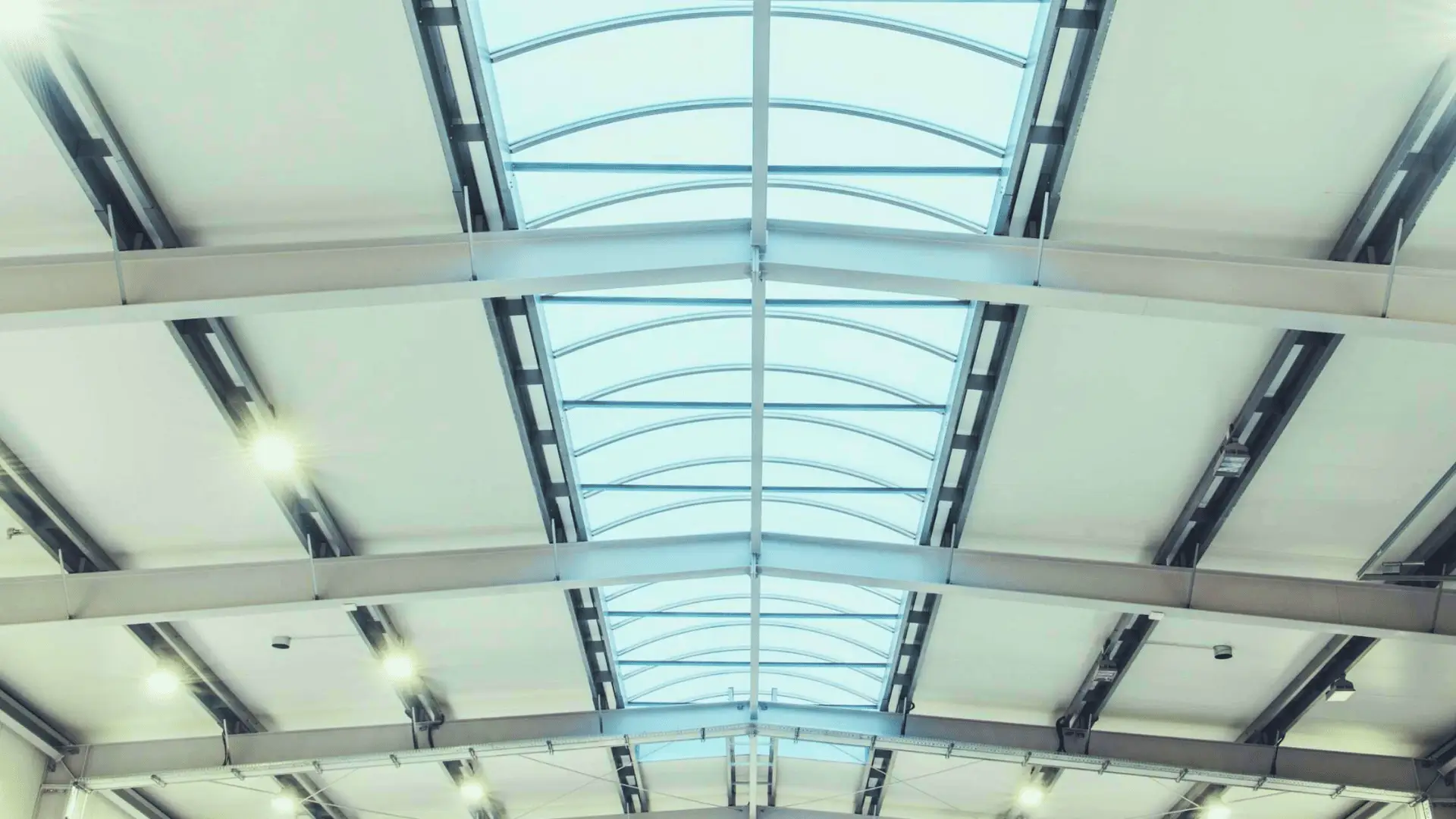
- Daylighting systems: These systems harness natural sunlight to illuminate indoor spaces, reducing the need for artificial lighting during daylight hours. Skylights, light shelves, and sun tubes help maximize natural light, reducing energy consumption and creating a more pleasant environment for occupants.
- Occupancy sensors: These sensors detect when people are in a room and automatically adjust lighting, ensuring that lights are only used when needed, which reduces energy waste.
- Task lighting: Focusing light on specific work areas, task lighting reduces the overall demand for lighting and improves energy efficiency.
By incorporating these modern lighting solutions, property owners can significantly reduce energy consumption, lower operating costs, and create more sustainable commercial spaces.
Advanced Environmental Controls for Sustainable Buildings
Along with modern lighting, advanced environmental controls play a key role in making buildings more sustainable. These controls offer precise management of heating, cooling, and ventilation, improving energy efficiency and occupant comfort. Consider these advanced environmental controls for eco-friendly commercial real estate:
- Building Automation Systems (BAS): BAS integrates various building systems, like HVAC, lighting, and security, into one centralized control system. It allows for real-time monitoring, optimizing energy use and enhancing occupant comfort.
- Smart thermostats: These provide precise temperature control, learning occupant preferences, and adjusting settings for maximum efficiency. Many offer remote access, allowing property owners to monitor and control HVAC systems from anywhere.
- Demand-controlled ventilation: By adjusting airflow based on occupancy and air quality, demand-controlled ventilation reduces energy waste while ensuring adequate ventilation.
- Energy management software: This software monitors and analyzes energy consumption, helping property owners identify opportunities for savings and track performance over time.
By implementing these controls, property owners can optimize energy use, reduce costs, and create healthier, more sustainable buildings.
Contact Vulcan Squad today to discuss your commercial real estate remodel and discover the benefits of eco-friendly remodeling for a sustainable future.
Planning a build?
Vulcan Squad designs and installs commercial spaces and grow facilities. Get a personalized quote in 24 to 48 hours.
Get a Quote